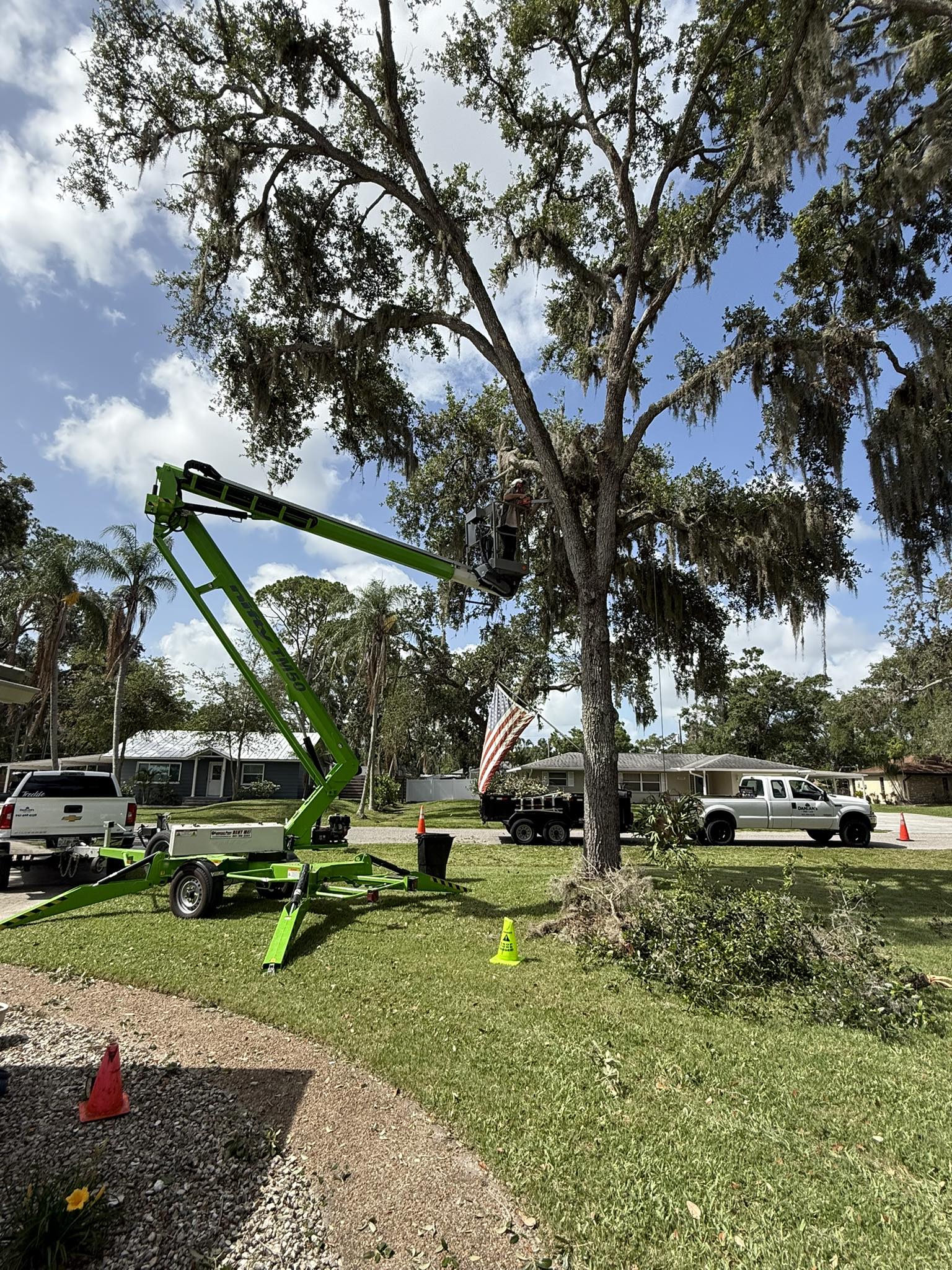
Tree Transplanting 101: Best Practices for Ensuring Successful Relocation Apr 28, 2026
Understanding the right timing is crucial for tree transplanting. The best time to relocate trees is during their dormant season, which typically occurs from late fall to early spring. This period minimizes stress on the tree since it is not actively growing. By ensuring the tree is moved while it is dormant, you give it the best chance to establish in a new location before the growth season begins.
Selecting the perfect new location is another critical step in successful transplanting. Consider factors such as sunlight, soil quality, and space for root and canopy growth. Each species of tree has its own specific requirements, so understanding the particular needs of your tree will greatly improve the chances of a successful relocation.
Preparing the new site ahead of time is essential. Start by digging a hole that is two to three times wider than the tree's root ball but with the same depth to avoid burying the trunk. Quality soil and compost should be on hand to help fill the gap, providing the new location with rich nutrients that support the tree's adaptation and growth.
When it comes time to transplant, the method of removing the tree from its current location is important. Carefully dig around the tree, maintaining a safe distance to protect the root structure. The larger the root ball you can preserve, the better. This ensures that the tree retains sufficient nutrients and water during the move. Wrap the root ball in burlap while moving to prevent soil from falling away and to keep the roots moist.
Once the tree is in its new home, focus on carefully positioning it and ensuring proper backfilling. Center the tree in the hole and begin to backfill with the prepared soil, ensuring there are no air pockets. Pack the soil firmly, but do not compact it so tightly that it becomes hard for roots to spread and absorb nutrients. Creating a water basin around the tree can help retain moisture and encourage root growth.
Post-transplant care is pivotal for the long-term health of the tree. Watering should be deep and frequent initially, gradually decreasing as the tree establishes itself. Mulching around the base can help retain moisture, but avoid piling mulch against the trunk as it can lead to rot.
Finally, monitoring the tree carefully in its new position will help spot any signs of stress or illness early on. Paying attention to leaf color, growth patterns, and trunk health will allow you to act quickly if the tree shows signs of needing further care.
Tree transplanting, when done with care and consideration, can enhance your landscape while preserving the health and longevity of your trees. At Damian's Tree Care, we're here to guide you every step of the way, ensuring that each tree finds its ideal new home in your landscape. By adhering to these best practices, you'll set the stage for successful tree relocations, making your garden a lively, thriving space for years to come.
/filters:no_upscale()/filters:format(webp)/media/166f2f75-2ff0-4c4d-ae2b-c5f407d909bb.jpeg)