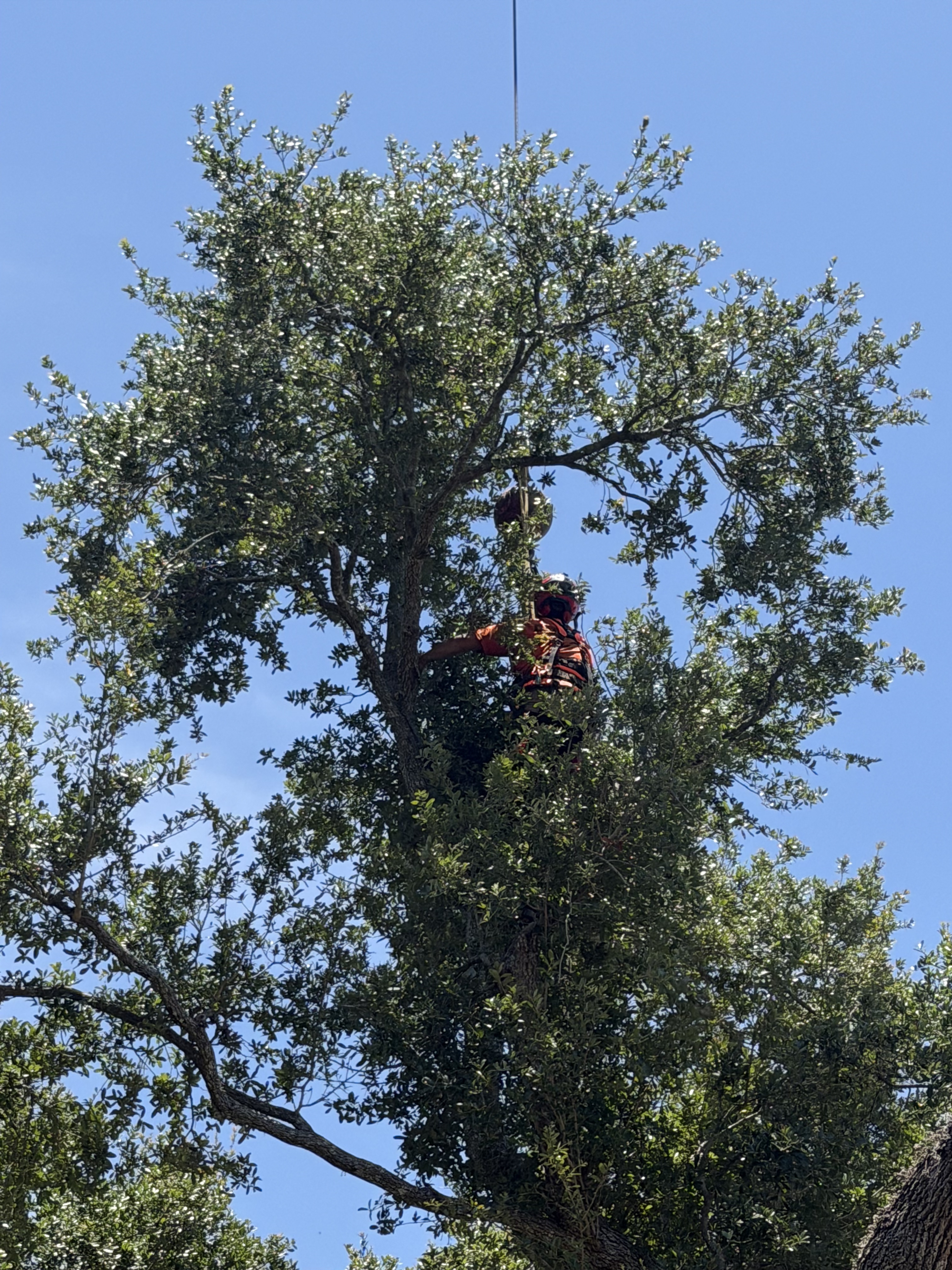
Tree Health Check-Up: How to Conduct a Thorough Tree Inspection Jul 14, 2026
Before beginning your inspection, make sure to schedule your check-ups regularly. Ideally, you should conduct these inspections during early spring or late fall when trees have shed their leaves, allowing for a clearer view of the branches and trunk.
Begin with a ground-level inspection. Examine the tree's base, focusing on the root zone and soil condition. Look for exposed roots or soil compaction, which can affect a tree's health. Ensure that the tree isn't planted too deeply; locate the root collar, where the roots spread out from the trunk. Proper visibility of the root flare is essential for tree stability and growth.
Next, inspect the trunk for signs of damage or disease. Bark is like a tree’s skin, which when compromised, can indicate underlying issues. Be on the lookout for cracks, holes, or cankers, as these can be pathways for pests and diseases. Fungi growing on the bark or at the base can be a sign of internal decay.
Branch health is another crucial aspect to scrutinize. Stand back and examine the tree's overall structure for any asymmetries or an excessive number of dead branches. Dead or fragile branches indicate potential fail points in the tree's future. Pay attention to crossing branches which can rub and create open wounds, leading to rot or infestation. Removing hazardous branches can prevent future accidents and costlier repairs.
Move on to examining the leaves and buds, if they are in season. Leaves are the easiest indicators of a tree's health. Yellowing, holes, or unusual spotting could point towards disease or pest infestations. Compare foliage density across different parts of the tree to identify potential growth disparities.
It’s beneficial to utilize a checklist during your inspection. This will help you maintain consistency in what you're scouting for with each tree. If any significant issues are spotted during your DIY inspection, it’s vital to consult with professionals. Damian’s Tree Care offers specialized services in diagnosing and treating tree health issues, ensuring that your trees receive the expert attention they need.
Conclude your inspection by reflecting on the overall health of the tree. Ask yourself: Is the tree growing well compared to previous years? Are there more dead branches? Does the tree have a balanced canopy? Document your findings with photos and notes, which can be a valuable resource for comparative analysis in future inspections.
Incorporating regular tree health check-ups into your routine can significantly extend the life and beauty of your trees. By following these simple guidelines provided by Damian's Tree Care, tree owners can become proactive stewards of their landscapes. Healthy trees not only enhance our surroundings but also provide shade, habitat, and clean air. For personalized advice or assistance, reaching out to professionals ensures the best care for your green giants.
/filters:no_upscale()/filters:format(webp)/media/32ce1d45-4740-4537-9abd-adfea6be4a35.jpg)
/filters:no_upscale()/filters:format(webp)/media/6ecdbf6e-beaf-4ac4-8a7d-bf0446b1d13f.png)