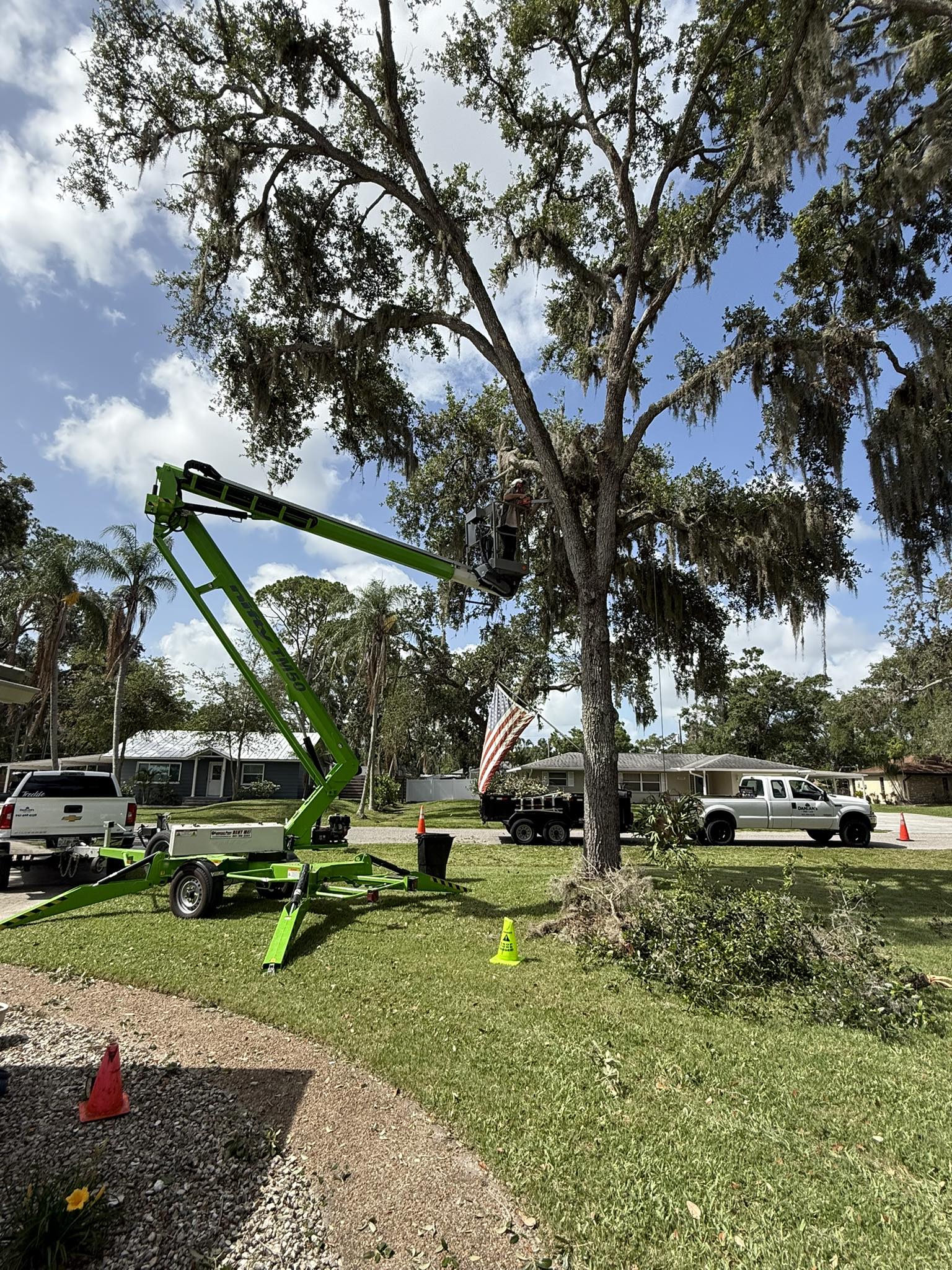
Tree Health 101: A Comprehensive Guide to Tree Nutrition and Care Feb 20, 2026
Trees, like all living organisms, require certain nutrients to thrive. These nutrients are typically absorbed through the soil and consist of macronutrients like nitrogen, phosphorus, and potassium, as well as micronutrients including iron, zinc, and manganese. Each nutrient plays a vital role in tree health; nitrogen promotes lush foliage, phosphorus encourages strong root development, and potassium enhances disease resistance. Recognizing nutrient deficiencies can be challenging but is crucial for effective care. Symptoms of deficiencies include yellowing leaves, stunted growth, and poor flowering.
Regular soil testing is a proactive step recommended by experts at Damian’s Tree Care. This process helps determine the pH level and nutrient content of your soil, allowing for tailored fertilization practices. Ideally, soil with a balanced pH will facilitate optimal nutrient absorption, promoting healthy tree growth. Adjusting the pH can often be necessary to address specific imbalances that might affect your trees’ health.
Furthermore, understanding tree-specific dietary requirements is a smart way to ensure that you're not providing too much or too little of what your trees need. Each type of tree may have unique nutritional needs based on its species, age, and environmental conditions. For instance, fruit-bearing trees might require more potassium to support healthier fruits, while evergreens might benefit from a nitrogen-rich feed to maintain their year-round foliage.
In addition to nutrition, proper care practices significantly impact tree health. Pruning is one such practice, crucial for removing dead or diseased branches that can affect overall vitality. When performed correctly, pruning encourages new growth and contributes to better air circulation within the canopy, reducing the risk of fungal infections. Watering is another vital aspect of care; while trees generally need less water than grass or flower beds, young or struggling trees will benefit from deep, infrequent watering to encourage root depth.
The environment around the tree also plays a key role. Trees growing in compacted soil can suffer from poor nutrient absorption. Aerating the soil around trees can enhance root development and improve nutrient uptake. This process involves creating small holes in the soil to improve air and water penetration, encouraging a healthier root system.
Implementing mulching practices is another effective way to promote tree health. Mulch acts as a protective barrier against temperature fluctuations, conserving moisture, suppressing weeds, and gradually releasing nutrients as it decomposes. However, it’s important to apply mulch correctly, ensuring it doesn’t accumulate against the trunk to prevent rot and pest infestations.
In conclusion, understanding tree nutrition and care involves a multifaceted approach requiring attention to both the biological needs of the tree and the environmental conditions. By conducting regular soil tests, applying the right fertilizers, and maintaining proper care practices such as pruning and mulching, you can significantly enhance the health and longevity of your trees. Damian’s Tree Care is committed to helping you achieve this balance, providing expert advice tailored to your unique landscape needs. Keeping these strategies in mind, your trees will not only survive but thrive, adding beauty and value to your property for years to come.
/filters:no_upscale()/filters:format(webp)/media/166f2f75-2ff0-4c4d-ae2b-c5f407d909bb.jpeg)