Top Strategies for Storm-Proofing Your Trees Before Extreme Weather Feb 17, 2026
Understanding the potential impact of storms on trees begins with recognizing vulnerabilities. Trees with dense canopies, those with weak branches, or with a history of disease are more likely to suffer during adverse weather events. It’s important to regularly inspect your trees and identify any signs of decay or structural weakness. Damaged or dead branches should be promptly removed as they are prone to breaking during storms.
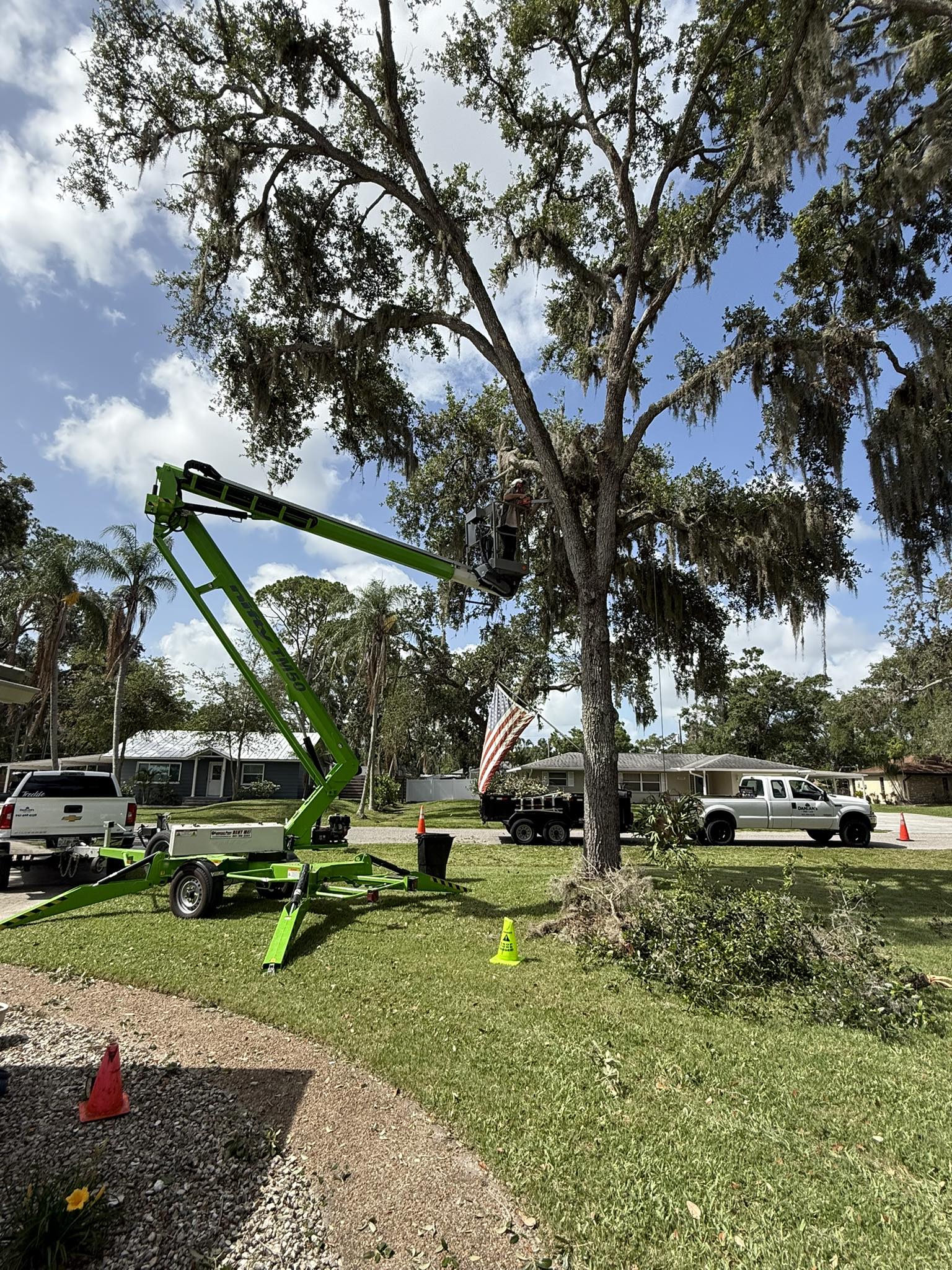
Strategic pruning is your first line of defense in storm-proofing trees. By thinning the canopy, you allow wind to pass through rather than against a dense mass of leaves, reducing the possibility of branches breaking. Pruning can also help in shaping the tree's structure to ensure it grows in a balanced manner, ultimately enhancing its stability. Damian’s Tree Care professionals recommend having your trees regularly inspected and pruned by certified arborists to maintain optimal health and resilience.
Choosing the right species for planting in your region is another crucial aspect of reducing storm risk. Native species adapted to local climate conditions usually have better chances of withstanding extreme weather. When planting new trees, consider species known for their resistance to high winds and strong storm events. Additionally, providing adequate space for each tree to grow and develop strong roots is imperative. The stronger the root system, the more stability the tree will have against toppling in strong winds.
Incorporating proper watering and fertilizing practices helps trees develop the strength they need. Well-hydrated and nourished trees can better resist splitting and breaking. However, avoid overwatering, as this can compromise root stability. Regular application of mulch around the base maintains soil moisture and provides essential nutrients, fostering healthy growth.
For mature trees, cabling and bracing are techniques that might offer additional support. These methods can help support branches with weak attachments or extensive spans. Professional assessment is crucial to determine if cabling or bracing is appropriate for your trees, ensuring that they enhance rather than hinder tree development.
Moreover, planting a protective barrier of smaller, resilient shrubbery can act as a windbreak, dispersing the force of wind before it reaches the larger trees. This indirect method of storm-proofing can significantly mitigate potential damage.
In conclusion, while storms are inevitable, damage to your trees is not. With preventative strategies like regular inspections, pruning, and mindful maintenance, your trees can remain robust throughout the storm season. Damian’s Tree Care offers expert guidance to ensure that your landscape investments are well-protected. Remember, proactive tree care not only aids in storm-proofing but enhances the overall health and longevity of your trees. By implementing these strategies, you're contributing to a safer environment for your family and your home.
For more personalized advice or immediate assistance with your tree care needs, reach out to Damian’s Tree Care, where professional service meets healthy, storm-resistant landscapes.
/filters:no_upscale()/filters:format(webp)/media/166f2f75-2ff0-4c4d-ae2b-c5f407d909bb.jpeg)