The Ultimate Guide to Storm Damage Prevention and Recovery for Your Trees Feb 17, 2026
Understanding the risks storms pose to trees is the first step in prevention. Strong winds, heavy rains, and lightning strikes can break branches, split trunks, and even uproot entire trees. Assessing the health and placement of your trees is crucial in determining risk factors. Healthy trees are more likely to withstand storms, but even they aren't immune to extensive damage.
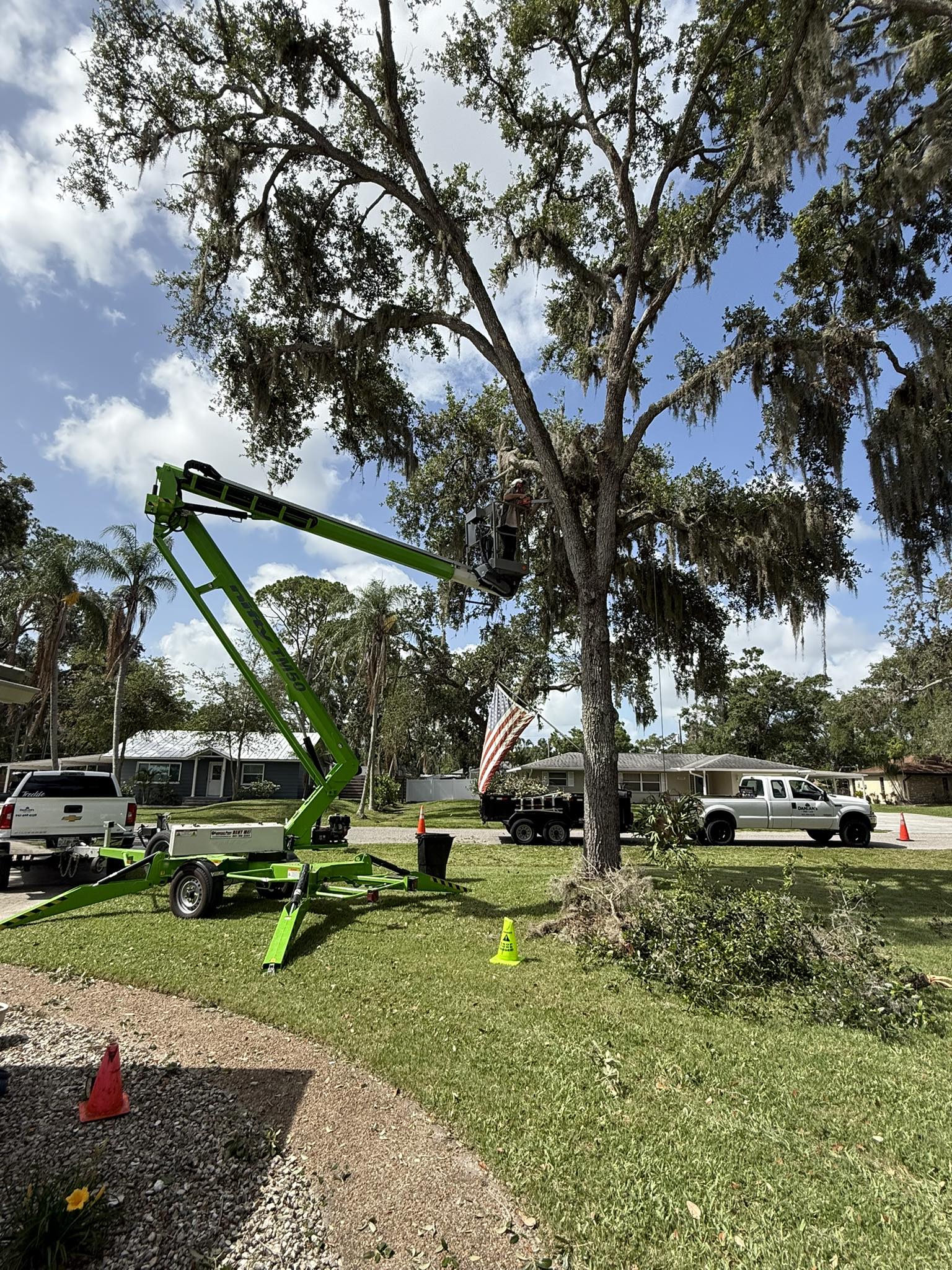
Regular tree maintenance is key. Properly pruned trees are less likely to fall or break during a storm. Removing dead or weak branches reduces the chance of breakage. Routine inspections by professionals like Damian’s Tree Care can identify potential hazards such as decay, disease, or structural weaknesses. By addressing these issues ahead of time, you can significantly reduce storm damage.
Installation of supportive structures may also be necessary for certain trees. Cabling and bracing can support branches and trunks, providing extra strength during high winds. Our experts advise using these solutions for trees with high structural risk.
Notification of an incoming storm means it’s time to take immediate action. Ensure surrounding areas are free from lawn furniture, tools, and anything else that might become airborne and potentially damage your trees. If a storm is expected, water your trees. Well-hydrated roots adapt better to the stress of a storm. While it's not always sufficient to prevent damage, it minimizes stress and recovery time.
Post-storm recovery is crucial for long-term health. Once the storm has passed, carefully inspect your trees for damage. Prioritize safety by examining from a distance first and look for hanging branches, splitting, or uprooting. A more thorough inspection should only be undertaken once immediate hazards have been addressed.
For major damage, professional tree risk assessments from qualified services like Damian’s Tree Care are recommended. A professional can safely fell or trim trees, removing threats without further harming your landscape. They are also adept at providing assessments and treatments for pest or disease issues that weakened trees could develop post-storm.
In some cases, storm damage can be an opportunity for renewal. Severe damage may require removal, but it also allows for the planting of new, more storm-resistant tree species. Selecting species such as live oak, bald cypress, or other native species can enhance resilience in future storms.
In conclusion, storm damage prevention and recovery for trees involve a blend of preparation, immediate action, and expert intervention. Prevention is the most effective strategy, involving regular maintenance and professional assessments. When faced with aftermath, swift recovery actions are key to managing damage and ensuring the longevity and health of your landscape. By following this comprehensive guide, you can protect your trees from storm damage and sustain the beauty and vitality of your property for years to come. For more personal advice and expert support, reach out to the professionals at Damian's Tree Care.
/filters:no_upscale()/filters:format(webp)/media/166f2f75-2ff0-4c4d-ae2b-c5f407d909bb.jpeg)