Revitalize Your Trees: Expert Tips for Post-Winter Recovery Mar 02, 2026
The first step in revitalizing your trees is a thorough inspection. During the winter months, trees can suffer from various stress factors, including frost, heavy snow, and ice accumulation. These conditions can lead to broken branches or even disease. Begin by examining the overall structure of the tree, looking for dead or damaged branches that need removal. Pruning these branches not only enhances the aesthetic appeal but also prevents the spread of disease and promotes healthy growth.
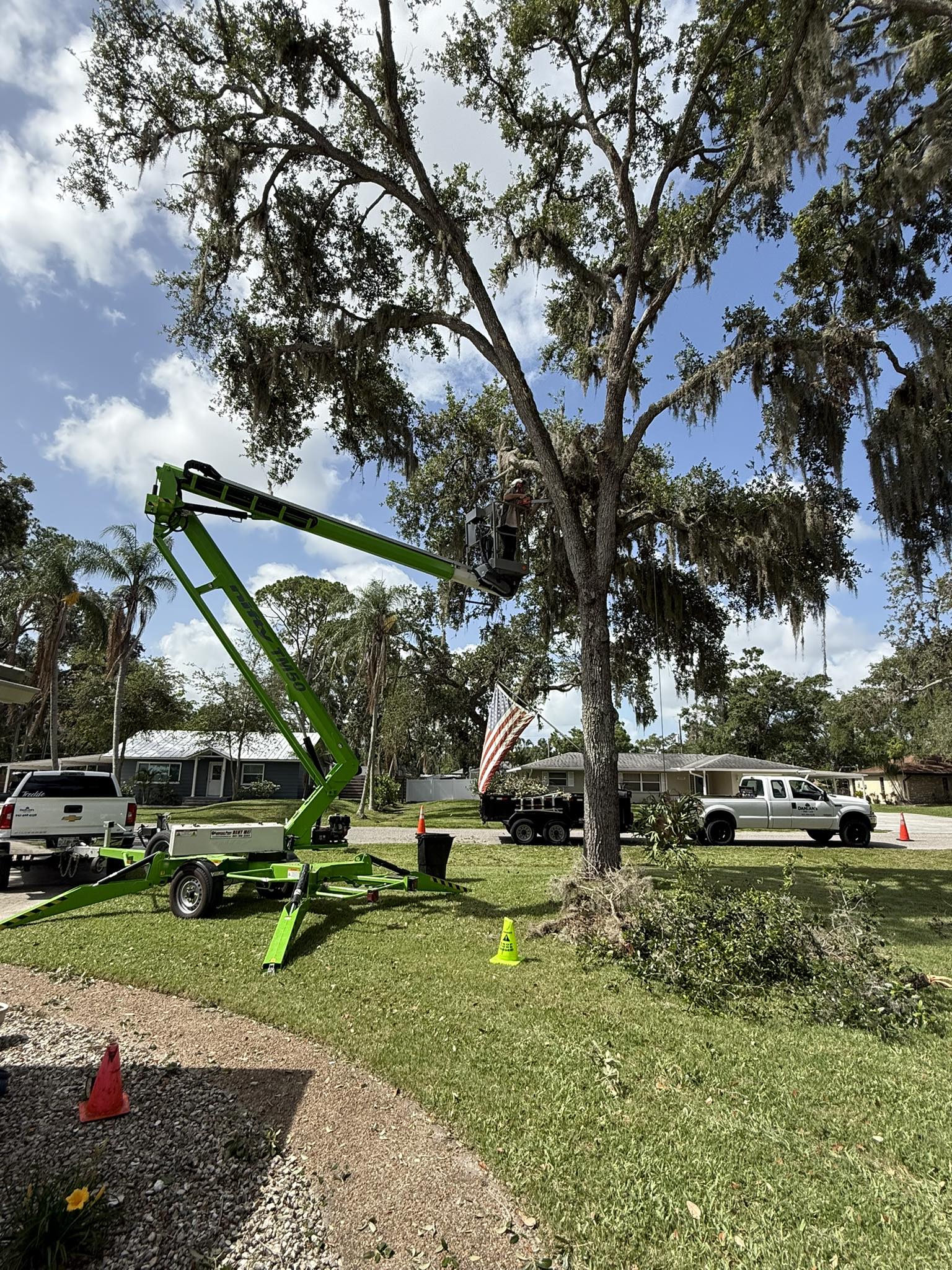
Pruning is not just cutting away the old to make room for the new; it is a precise science. At Damian's Tree Care, our experts recommend tackling pruning activities before the growing season kicks in. Focus on removing any branches that show signs of disease, are broken, or cross over one another, as these can impede growth. Proper pruning helps to improve air circulation and light penetration, which is crucial for the tree's health.
Spring is also an excellent time to focus on nourishing your trees. After enduring the harsh winter months, trees can benefit greatly from fertilization. Use a slow-release fertilizer, which allows for a steady supply of nutrients to the soil. This is essential for strengthening the tree's root system and supporting new growth. Enriching the soil with organic matter such as compost not only boosts the soil's fertility but also enhances its structure and moisture-retaining capabilities.
Mulching is another key aspect of tree maintenance in spring. A layer of mulch around the base of the tree can help retain moisture, suppress weeds, and regulate soil temperature. Be mindful when applying mulch; make sure not to pile it against the tree trunk, as this can lead to moisture buildup and disease. A two to three-inch layer, extending to the tree’s drip line, is recommended for optimal results.
While the immediate physical state of the trees is vital, it's equally important to consider their long-term health. Watering practices need to be adjusted as the temperature rises. While trees need more water during the growing season, be cautious of overwatering, which can lead to root rot. A general rule is to water deeply and infrequently to encourage deep root growth.
Lastly, be proactive about pest control. As the weather warms up, pests become more active. Check for signs of insect infestations or disease regularly and consult with professionals like Damian’s Tree Care for effective treatments. Integrated pest management strategies are most effective as they combine biological, mechanical, and cultural tactics to keep pest populations in check without resorting to harsh chemicals.
In conclusion, post-winter recovery is all about assessing damage, implementing nurturing practices, and preparing for the coming seasons. With these expert tips from Damian’s Tree Care, your trees will not only recover but thrive, providing beauty and shade for years to come. Keep these strategies in mind, and you’ll ensure a healthier, more vibrant landscape all year round.
/filters:no_upscale()/filters:format(webp)/media/166f2f75-2ff0-4c4d-ae2b-c5f407d909bb.jpeg)