How to Identify and Manage Common Tree Pests and Diseases Dec 23, 2025
Understanding the fundamental signs of tree pests and diseases is the first step towards their management. Trees, much like humans, exhibit symptoms in different ways when under attack. Typical signs include discolored leaves, sticky substances on leaves or bark, holes or bore tunnels, and general decline in vitality. Being vigilant about these signs can be your tree's first line of defense.
Once you notice potential issues, it becomes crucial to correctly identify the pest or disease. Common pests like aphids, caterpillars, or borers can sometimes lead to severe infestations. Diseases, such as cankers, blights, or root rot, can cause significant long-term damage. Each pest or disease impacts trees differently, so accurate identification is essential.
Let’s delve into some common issues and solutions. Aphids, for example, are notorious tiny insects that suck the sap from leaves, leaving a sticky residue known as honeydew. This may lead to sooty mold growth. You can control aphid populations by encouraging their natural predators, such as ladybugs, or by employing horticultural oils and insecticidal soaps.
Caterpillars are another frequent foe, leaving visible holes in leaves and damaging young shoots. While small infestations can often be manually removed or dealt with by natural predators, more severe cases may require specific insecticides. It’s important, though, to follow environmentally safe practices to protect beneficial insects and the broader ecosystem.
When it comes to diseases, root rot is often a silent killer, slowly degrading a tree’s health from the ground up. This is typically caused by overwatering or poor drainage. Ensuring proper watering techniques and improving drainage around your trees are vital steps in prevention.
Canker diseases often present as sunken patches on trunks or branches and can spread quickly if not managed. Regularly pruning infected areas, sterilizing tools, and improving tree vigor through proper care can help mitigate these issues.
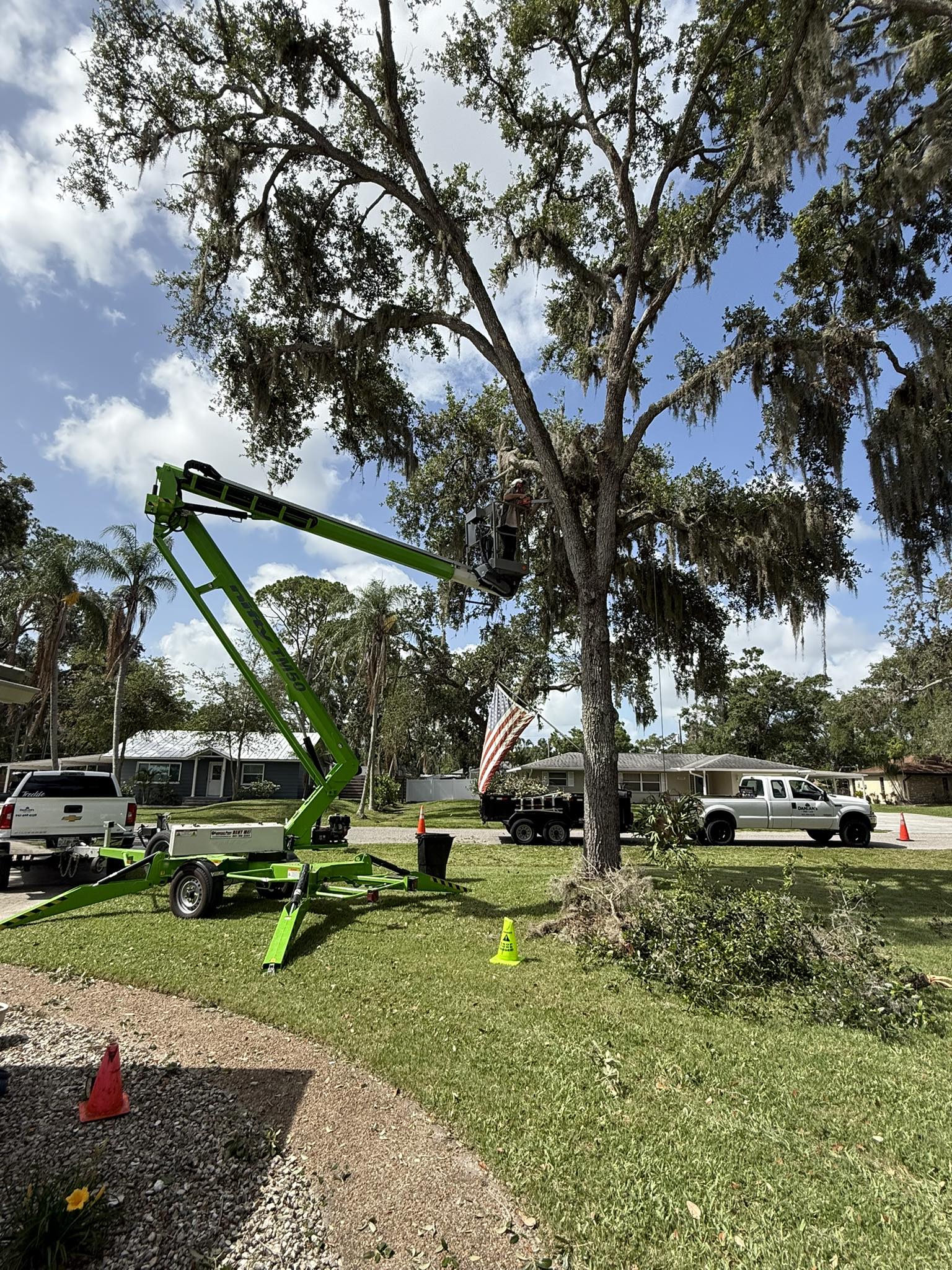
While there are many preventive steps you can take to protect your trees, sometimes professional intervention is necessary. Damian’s Tree Care offers expert services, guiding you in comprehensive pest and disease management strategies. From accurate diagnosis to treatment and prevention plans tailored to protect the health of your trees, we are committed to quality care.
Remember, healthy trees are resilient trees. By maintaining optimal tree care practices, such as regular inspections, adequate watering, proper nutrition, and strategic pruning, you're not just investing in the aesthetic value of your property but also contributing to a healthier environment.
In conclusion, safeguarding your trees from pests and diseases requires vigilance and informed action. Although it can be a challenge, the rewards of lush, thriving trees are well worth the effort. At Damian’s Tree Care, we’re passionate about helping our clients achieve just that goal. If you have concerns about your trees, contact us to explore how we can support your tree care needs.
/filters:no_upscale()/filters:format(webp)/media/166f2f75-2ff0-4c4d-ae2b-c5f407d909bb.jpeg)